
If you are travelling to a destination where malaria occurs, choosing the right prevention strategy is an important part of preparing for your journey. Depending on your destination and health circumstances, an antimalarial medicine may be recommended alongside measures to prevent mosquito bites.
Lariam is a brand name for mefloquine, an antimalarial medicine used for prevention and, in specific circumstances, treatment of malaria. It is not suitable for everyone, particularly because of its potential effects on mental health and the nervous system.
Before choosing Lariam tablets, travellers should obtain personalised advice based on their itinerary, medical history and other medicines.
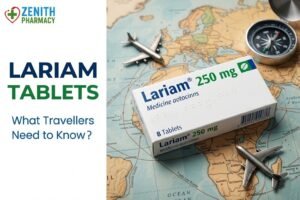
What Is Lariam?
Lariam contains mefloquine, a medicine that acts against the malaria parasite.
Malaria is transmitted through the bites of infected mosquitoes. Symptoms may include fever, chills, headache, muscle aches and tiredness. Certain forms of malaria can cause severe illness and require urgent treatment.
The choice of antimalarial depends on the country and region being visited, local parasite resistance patterns and the traveller’s individual circumstances. Lariam should only be used when it is considered an appropriate option by a qualified healthcare professional.
How Is Lariam Used for Malaria Prevention?
For prevention, mefloquine is generally taken once a week. The usual adult prevention schedule begins two to three weeks before entering a malaria-risk area, continues during the stay and extends for four weeks after leaving the area.
Starting in advance helps assess tolerability before travel. However, the medicine is not appropriate for every traveller, and the prescribed instructions must always take priority over general information.
Do not change the dose, stop the course, or substitute another antimalarial without professional advice.
Why Is a Travel Health Assessment Important?
A travel health assessment helps establish whether Lariam is appropriate for your destination and personal circumstances.
A healthcare professional may need to consider:
- Your destination and length of stay.
- Local malaria risk and resistance patterns.
- Previous mental health conditions.
- A history of seizures or epilepsy.
- Heart rhythm problems and other medical conditions.
- Medicines that could interact with mefloquine.
- Pregnancy, breastfeeding or other relevant circumstances.
Other antimalarial medicines may be more appropriate if Lariam is unsuitable.
Important Side Effects and Safety Warnings
Mefloquine has important potential neuropsychiatric side effects. These may include anxiety, unusual dreams, sleep disturbance, low mood, confusion, hallucinations or other changes in mental state.
Some reactions can be serious, and symptoms may occasionally persist after the medicine has been stopped.
Lariam is generally not suitable for malaria prevention in people with a current or previous history of certain psychiatric disorders, including depression, anxiety disorders or psychosis. It is also contraindicated in people with a history of seizures or epilepsy under the relevant prescribing guidance.
Other precautions and interactions must be considered before treatment begins.
If you are taking Lariam and develop concerning changes in mood, behaviour, balance or mental state, seek urgent medical advice. If serious neuropsychiatric symptoms develop, do not take further doses until you have received urgent medical guidance.
Is Lariam the Right Choice for Every Destination?
No. Malaria risk varies significantly between destinations, and resistance patterns can affect which medicines are suitable.
A medicine that is appropriate for one country may not be the preferred option for another. Your travel plans, medical history and ability to follow the dosing schedule also matter.
Even when an antimalarial is recommended, it does not provide complete protection. Continue to use suitable insect repellent, protective clothing and other recommended mosquito bite prevention measures.
If you develop a fever during travel or after returning from a malaria-risk area, seek urgent medical attention and tell the clinician where you have travelled.
Contact Zenith Pharmacy on 0121 554 9944 or visit the Travel Clinic page to know more about available travel health services.
Frequently Asked Questions
Is Lariam a prescription medicine?
Mefloquine is a prescription medicine in the UK. It should only be used following an appropriate clinical assessment and supply process.
Can everyone take Lariam?
No. Its safety profile means it is unsuitable for some people, particularly those with certain psychiatric conditions or a history of seizures.
When should I start Lariam before travelling?
The usual preventive schedule begins two to three weeks before entering a malaria-risk area, but a healthcare professional must confirm whether it is appropriate for you.
Are malaria tablets enough to prevent malaria?
No. Antimalarial medicines should be combined with measures to prevent mosquito bites, and urgent assessment is needed if symptoms develop.
Arrange Travel Health Advice Before Departure
If you are searching for Lariam tablets or malaria prevention advice in Birmingham, start with a personalised travel health assessment rather than choosing an antimalarial based on the destination alone.
Disclaimer: This article is intended for general information and does not replace individual medical advice, diagnosis or treatment. Always follow the instructions provided with your medicine and speak to a pharmacist, doctor or prescriber if you have questions about your treatment.
