
Acid reflux and heartburn are common digestive problems that can cause uncomfortable symptoms such as a burning sensation in the chest, an unpleasant taste in the mouth and acid coming back up into the throat. For some people, lifestyle changes and occasional treatments may be enough to manage these symptoms. However, when acid-related symptoms are persistent or more severe, a healthcare professional may recommend a medicine such as lansoprazole.
Lansoprazole is a type of medicine called a proton pump inhibitor (PPI). It works by reducing the amount of acid produced in the stomach and is used to treat conditions including acid reflux, heartburn, gastro-oesophageal reflux disease (GORD) and stomach ulcers.
If you have been prescribed lansoprazole or are considering whether it may be appropriate for your symptoms, understanding how it works and when professional advice is needed can help you use the medicine safely.
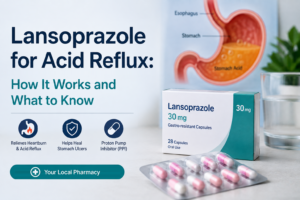
What Is Lansoprazole?
Lansoprazole is a proton pump inhibitor that reduces stomach acid production. Proton pumps are enzymes found in the lining of the stomach that are involved in producing acid needed for digestion. Lansoprazole works by reducing the activity of these proton pumps, lowering the amount of acid released into the stomach.
By reducing stomach acid, lansoprazole can help relieve symptoms caused by excess or refluxed stomach acid and can also give damaged areas of the digestive system an opportunity to heal.
In the UK, lansoprazole is available in different strengths and formulations, including 15mg and 30mg capsules and orodispersible tablets. The appropriate strength and duration of treatment depend on the condition being treated and individual circumstances.
How Does Lansoprazole Work?
When you eat, your stomach naturally produces acid to help break down food and support digestion. Normally, this acid remains within the stomach. However, if stomach acid flows back into the oesophagus, it can irritate the lining and cause symptoms such as heartburn and acid reflux.
Lansoprazole reduces the production of stomach acid. This means there is less acid available to flow back into the oesophagus and cause irritation.
Unlike some medicines that provide rapid, short-term relief from occasional heartburn, PPIs such as lansoprazole work by reducing acid production at its source. You may begin to feel better within a few days, although it can take longer for the medicine to achieve its full effect. The NHS states that lansoprazole can take up to four weeks to fully control acid-related symptoms.
For this reason, lansoprazole should be taken according to the instructions provided by your prescriber or pharmacist rather than taking additional doses because symptoms have not immediately disappeared.
What Conditions Is Lansoprazole Used For?
There are several lansoprazole uses, depending on a person’s symptoms and medical circumstances.
It may be prescribed for:
- Acid reflux and heartburn
- Gastro-oesophageal reflux disease (GORD)
- Reflux oesophagitis, where stomach acid has caused inflammation of the oesophagus
- Stomach ulcers
- Duodenal ulcers
- Certain ulcers associated with continued use of non-steroidal anti-inflammatory drugs (NSAIDs)
- Helicobacter pylori infection when used alongside appropriate antibiotics
- Zollinger-Ellison syndrome, a rare condition that can cause excessive stomach acid production
The reason lansoprazole has been prescribed will determine the appropriate dose and treatment duration. It is therefore important not to assume that the dose prescribed for another person is suitable for you.
Lansoprazole and Acid Reflux
Acid reflux occurs when stomach contents move upwards into the oesophagus. This can result in symptoms including heartburn, acid regurgitation and an unpleasant acidic taste.
For people with recurring or troublesome acid reflux, a healthcare professional may recommend a PPI such as lansoprazole. NHS guidance identifies lansoprazole as one of the PPIs that may be prescribed for acid reflux and notes that treatment may commonly be used for several weeks, depending on the severity of the condition.
Lansoprazole does not necessarily provide instant relief. Its purpose is to reduce stomach acid production over time, which can help symptoms settle and allow inflammation or irritation caused by acid reflux to improve.
If symptoms continue despite treatment, it is important to speak to a healthcare professional rather than increasing the dose yourself.
Lansoprazole and Heartburn
Heartburn is a common symptom of acid reflux. It often feels like a burning sensation behind the breastbone and may become more noticeable after eating or when lying down.
For occasional symptoms, lifestyle measures or pharmacy treatments may sometimes be sufficient. However, frequent or persistent heartburn can require further assessment.
Lansoprazole for heartburn works by reducing stomach acid production. Depending on the reason for treatment, a doctor or prescriber may recommend a particular strength and duration of treatment. UK patient information for lansoprazole states that treatment for heartburn and acid regurgitation may involve 15mg or 30mg once daily for a defined period, but the correct treatment should always be determined according to individual circumstances and professional advice.
If your heartburn keeps returning, do not simply continue taking medication indefinitely without discussing the symptoms with a healthcare professional.
Who May Need Lansoprazole?
Lansoprazole may be considered for people experiencing persistent acid-related symptoms or conditions that benefit from reduced stomach acid.
It may be particularly relevant when symptoms such as heartburn or acid reflux occur frequently, affect daily activities or are associated with a diagnosed condition such as GORD or reflux oesophagitis.
A healthcare professional may also prescribe it for stomach or duodenal ulcers or to help protect against certain ulcers in people who need to continue taking NSAID medicines.
Whether lansoprazole is appropriate depends on your symptoms, medical history, other medicines you take and the underlying cause of your symptoms. A pharmacist, doctor or qualified prescriber can assess these factors before recommending treatment.
Important Things to Discuss Before Taking Lansoprazole
Before taking lansoprazole, tell your healthcare professional about any existing medical conditions and medicines you are taking. This is particularly important if you regularly take prescription medicines, over-the-counter treatments or herbal supplements.
Lansoprazole should be taken exactly as directed. NHS guidance states that it is usually taken once a day, often in the morning, and works best when taken at least 30 minutes before food. If prescribed twice daily, doses are generally taken in the morning and evening.
Capsules should be swallowed according to the instructions provided. Some formulations should not be crushed or chewed because doing so can affect how the medicine works.
Common side effects can include headache, nausea and diarrhoea. These are often mild, but you should speak to a healthcare professional if you experience concerning, persistent or severe symptoms.
Longer-term treatment may require appropriate medical monitoring. For example, the NHS notes that taking lansoprazole for more than three months can affect magnesium levels in some people, while longer-term use may be associated with other risks. Your prescriber can advise whether ongoing treatment is appropriate for you.
When Should You Speak to a Pharmacist or Doctor?
Not every episode of heartburn or indigestion requires prescription treatment. However, persistent or recurring symptoms should not simply be ignored.
Speak to a pharmacist or doctor if:
- Your symptoms keep returning
- Heartburn is affecting your everyday life
- Symptoms do not improve with treatment
- You need to use acid-reducing medicines regularly
- You have difficulty swallowing
- Your symptoms are severe or worsening
- You are concerned about possible side effects
- You take other medicines and are unsure whether they are suitable alongside lansoprazole
A healthcare professional can determine whether your symptoms are consistent with acid reflux or whether further investigation may be needed.
If prescribed treatment does not improve your symptoms, your doctor may consider alternative treatments or further tests to identify the underlying cause.
Frequently Asked Questions About Lansoprazole
What is lansoprazole used for?
Lansoprazole is a proton pump inhibitor used to reduce stomach acid. It can be prescribed for conditions including acid reflux, heartburn, GORD, reflux oesophagitis and stomach or duodenal ulcers. It may also be used as part of treatment for Helicobacter pylori infection and certain other acid-related conditions.
How long does lansoprazole take to work?
You may start to feel better within two to three days, but lansoprazole can take up to four weeks to fully control acid-related symptoms.
Can lansoprazole help with heartburn?
Yes. Lansoprazole can be prescribed to treat heartburn and acid reflux by reducing the amount of acid produced by the stomach.
Is lansoprazole available in the UK?
Yes. Lansoprazole is available in the UK in different strengths and formulations and can be supplied when appropriate following professional assessment and prescription requirements.
Can I take lansoprazole without speaking to a healthcare professional?
The appropriate approach depends on the specific product, strength and your symptoms. If you have persistent, recurrent or unexplained symptoms, speak to a pharmacist, doctor or qualified prescriber before continuing treatment.
Should I continue taking lansoprazole if my symptoms improve?
Do not change or stop prescribed treatment without following the advice given by your doctor or pharmacist. The recommended treatment duration depends on the condition being treated.
Get Advice About Lansoprazole
Lansoprazole can be an effective treatment for acid-related conditions because it reduces the amount of acid produced by the stomach. It may be prescribed for acid reflux, heartburn, GORD, reflux oesophagitis and stomach ulcers, among other conditions.
However, the right treatment depends on the cause and severity of your symptoms. If you regularly experience heartburn or acid reflux, getting appropriate professional advice can help identify the most suitable treatment rather than relying on self-treatment alone.
If you are considering lansoprazole in the UK or have questions about whether it may be suitable for your symptoms, speak with a qualified pharmacist or prescriber for personalised advice.
This article is intended for general information and does not replace individual medical advice, diagnosis or treatment. Always follow the instructions provided with your medicine and speak to a pharmacist, doctor or prescriber if you have questions about your treatment.