
The NHS winter vaccination campaign for the 2026/27 season is underway across the UK, encouraging eligible people to get protected against flu and COVID-19 before winter infections become more widespread. These seasonal vaccination programmes are particularly important for older adults, pregnant women, young children and people with certain health conditions who may face a higher risk of serious illness.
The main vaccination rollout for most eligible groups began on 1 October 2026, following an earlier start on 1 September 2026 for specific groups, including pregnant women and children under the seasonal flu programme.
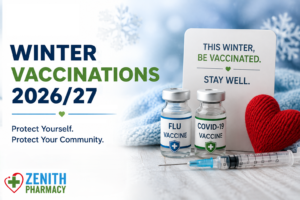
The campaign aims to improve vaccination uptake, reduce the risk of severe illness and help ease pressure on healthcare services during the colder months.
If you live in the UK and are unsure whether you qualify for a winter vaccination, understanding the eligibility criteria, campaign dates and booking options is a useful first step.
What Are the NHS Winter Vaccinations?
The NHS winter vaccination programme focuses primarily on protecting eligible people against seasonal flu and COVID-19. Both infections can cause serious complications, particularly among people who are older, immunosuppressed or living with certain long-term health conditions.
Although flu and COVID-19 are different infections, vaccination can help strengthen your protection against the illnesses covered by each vaccine.
The two programmes have different eligibility criteria and deadlines. You may qualify for one vaccine without qualifying for the other, so it is important to check the guidance that applies to your age and health circumstances.
Other seasonal vaccinations, including those for respiratory syncytial virus (RSV) and pneumococcal disease, may also be relevant depending on your age, pregnancy status and clinical circumstances.
- COVID-19 Autumn and Winter Booster 2026
The COVID-19 seasonal booster is intended to strengthen protection for people who are at greater risk of severe illness. Protection from previous vaccination or infection can decrease over time, which is why seasonal vaccination may be recommended for certain groups.
Who Is Eligible for the COVID-19 Vaccine?
For the 2026 autumn and winter campaign, the eligible groups outlined in your campaign brief include:
Adults aged 75 and over: People who are already 75 or will turn 75 by 31 January 2027.
Older adult care home residents: People living in care homes specifically for older adults.
Immunosuppressed people: Individuals aged six months and over who meet the relevant clinical criteria for having a weakened immune system.
Eligibility depends on the applicable NHS programme criteria. If you have a health condition or take medication that affects your immune system, ask your GP or vaccination provider whether you qualify.
When Does the COVID-19 Vaccination Campaign End?
The COVID-19 autumn vaccination programme is scheduled to run until 31 January 2027. Eligible people should aim to arrange their vaccination within the campaign period. If you have not yet booked, check the current appointment arrangements and whether you remain eligible.
Where Can You Get the COVID-19 Vaccine?
Depending on eligibility and local arrangements, vaccination may be available through GP surgeries, participating pharmacies and designated vaccination sites.
Availability varies by location and provider. Check directly with your GP practice or local vaccination service to confirm where you can receive the vaccine and whether an appointment is required.
- Seasonal Flu Vaccine 2026/27
Flu is a contagious respiratory infection that can cause fever, cough, muscle aches, headaches, and significant tiredness. Although many people recover without complications, flu can be serious for vulnerable individuals and may worsen existing medical conditions.
The annual flu vaccination programme aims to protect eligible people against the influenza viruses expected to circulate during the season.
Who Is Eligible for the Flu Vaccine?
The seasonal flu eligibility groups outlined in your campaign brief include:
- Adults aged 65 and over: Older adults are at increased risk of complications from flu.
- Adults aged 18 to 64 with qualifying health conditions: This may include certain respiratory conditions, such as asthma, and conditions such as diabetes or heart disease.
- Pregnant women: Vaccination helps protect pregnant women and can provide protection to their babies.
- Children aged two and three: Children who meet the programme’s age criteria are eligible for vaccination.
- School-aged children: The programme includes children from Reception to Year 11.
- At-risk children aged six months and older: Certain children with qualifying medical conditions may be eligible.
- Care home residents: Eligible residents are included in the seasonal programme.
- Carers and eligible frontline health and social care workers: Eligibility depends on the relevant programme criteria and circumstances.
The precise age cut-off dates and clinical criteria can differ between groups. If you are uncertain whether you qualify, contact your GP practice or ask an appropriate healthcare professional.
When Does the Flu Vaccination Campaign End?
The flu vaccination programme is scheduled to continue until 31 March 2027.
However, it is better not to wait until the end of the campaign if you are eligible. Arranging vaccination earlier in the season can help you build protection before flu becomes more widespread.
Where Can You Get the Flu Vaccine?
Eligible people may be able to receive the flu vaccine through:
- GP surgeries.
- Participating community pharmacies.
- School vaccination programmes for eligible children.
- Other designated vaccination services where available.
Some pharmacies also offer private flu vaccination services, which may involve a charge. Confirm the service, eligibility requirements, and cost directly with the provider before booking.
- COVID-19 Booster vs Flu Vaccine: What Is the Difference?
Both vaccinations play an important role in winter health, but they protect against different viruses and have separate eligibility requirements.
| Feature | COVID-19 Booster | Seasonal Flu Vaccine |
| Main campaign start | 1 October 2026 | 1 October 2026 for most groups; earlier for specific groups |
| Scheduled campaign end | 31 January 2027 | 31 March 2027 |
| Main age-based group | Adults aged 75 and over | Adults aged 65 and over |
| Other eligible groups | Older adult care home residents and eligible immunosuppressed people aged six months and over | Pregnant women, eligible children, adults with qualifying health conditions and other specified groups |
| Where to enquire | GP practices, participating pharmacies and designated sites | GP practices, participating pharmacies and school vaccination programmes |
The table summarises the campaign details supplied for this article. Individual eligibility depends on the relevant programme criteria, and not every vaccination provider offers every vaccine.
Can you receive both vaccines? Some eligible people may be offered both flu and COVID-19 vaccinations, including during the same appointment when clinically appropriate and available. Your vaccination provider can advise you based on your circumstances.
- Other Winter Vaccinations to Know About
Flu and COVID-19 are not the only infections that can cause serious illness during the colder months. Depending on your circumstances, you may also be eligible for other vaccinations.
RSV Vaccine
Respiratory syncytial virus (RSV) is a common virus that can cause respiratory infections. It can be particularly serious for young babies and older adults.
The RSV vaccination programme includes eligible pregnant women and older adults who meet the applicable criteria. Your midwife, GP or pharmacist can help you understand whether you qualify and when vaccination is recommended.
Pneumococcal Vaccine
Pneumococcal disease can cause infections including pneumonia and, in some cases, more serious complications. The pneumococcal vaccine is offered to eligible groups, including adults aged 65 and over under the relevant NHS criteria. It is not simply a seasonal booster for everyone, so check whether you are due or eligible.
If you are attending a vaccination appointment, ask the healthcare professional whether any other vaccinations are recommended for you.
- Why Is It Important to Get Vaccinated Before Winter?
Winter respiratory infections can spread more easily when people spend more time together indoors. For older adults and people with certain medical conditions, an infection can lead to complications, hospital treatment, or a worsening of an existing condition.
Getting recommended vaccinations can help:
- Reduce the risk of severe illness from the infections covered by each vaccine.
- Protect people who are more vulnerable to complications.
- Support the management of certain long-term health conditions.
- Reduce the likelihood of avoidable hospital admissions.
- Help you prepare for the winter season with appropriate preventive care.
Vaccination cannot guarantee that you will not become infected. However, it remains an important part of protecting eligible individuals against serious illness.
- How to Book Your Winter Vaccination in Birmingham
The most suitable booking route depends on which vaccine you need and whether you meet the eligibility criteria.
Step 1: Check your eligibility.
Confirm whether you qualify for the flu vaccine, COVID-19 booster or another recommended vaccination.
Step 2: Contact your GP practice.
Your GP can advise on NHS eligibility and available appointments.
Step 3: Check participating pharmacies.
Some community pharmacies provide seasonal vaccinations. Ask which vaccines are available and whether you need to book in advance.
Step 4: Follow the booking instructions.
Use the appointment route specified by your vaccination provider and bring any requested information.
Step 5: Ask about other recommended vaccines.
If you are eligible for more than one vaccination, your healthcare professional can explain the recommended timing.
At Zenith Pharmacy, you can enquire about current pharmacy services and whether winter vaccination appointments are available. Please confirm availability and eligibility directly with the pharmacy before visiting.
Frequently Asked Questions
When did the 2026/27 winter vaccination campaign start?
The main rollout for most eligible groups began on 1 October 2026. Certain groups, including pregnant women and children under the flu programme, were included in the earlier rollout from 1 September 2026.
When does the COVID-19 booster campaign end?
The autumn and winter COVID-19 vaccination programme is scheduled to end on 31 January 2027.
When does the flu vaccination programme end?
The seasonal flu programme is scheduled to run until 31 March 2027, although eligible people are encouraged to arrange vaccination earlier.
Are winter vaccinations free on the NHS?
Vaccinations included in NHS seasonal programmes are free for people who meet the relevant eligibility criteria. Private vaccination services may charge a fee.
Can I get a winter vaccination at a pharmacy in Birmingham?
Participating pharmacies may offer certain NHS or private vaccinations. Availability varies, so contact the pharmacy directly to confirm the vaccine offered, eligibility requirements, appointment arrangements and any charges.
To know more, Contact 0121 554 9944 and get local pharmacy support from Birmingham.
What if I am unsure which vaccinations I need?
Speak to your GP, pharmacist or another appropriate healthcare professional. They can help you understand which vaccinations may be recommended for your age, health and circumstances.
Stay Prepared for Winter
The NHS winter vaccination campaign for 2026/27 is an opportunity for eligible people to strengthen their protection against flu and COVID-19 before winter infections become more widespread.
Check the relevant eligibility criteria, pay attention to the campaign deadlines, and arrange your vaccination through an appropriate provider. If you are also eligible for RSV or pneumococcal vaccination, ask a healthcare professional whether you should receive these as well.
Contact Zenith Pharmacy to know more about available vaccination services and find out what options may be suitable for you.
Disclaimer: This article is for general information only and is not a substitute for personalised medical advice. Eligibility criteria, campaign dates and vaccine availability may change. Confirm the latest arrangements with the NHS or a qualified healthcare professional before booking.
